March 4, 2026
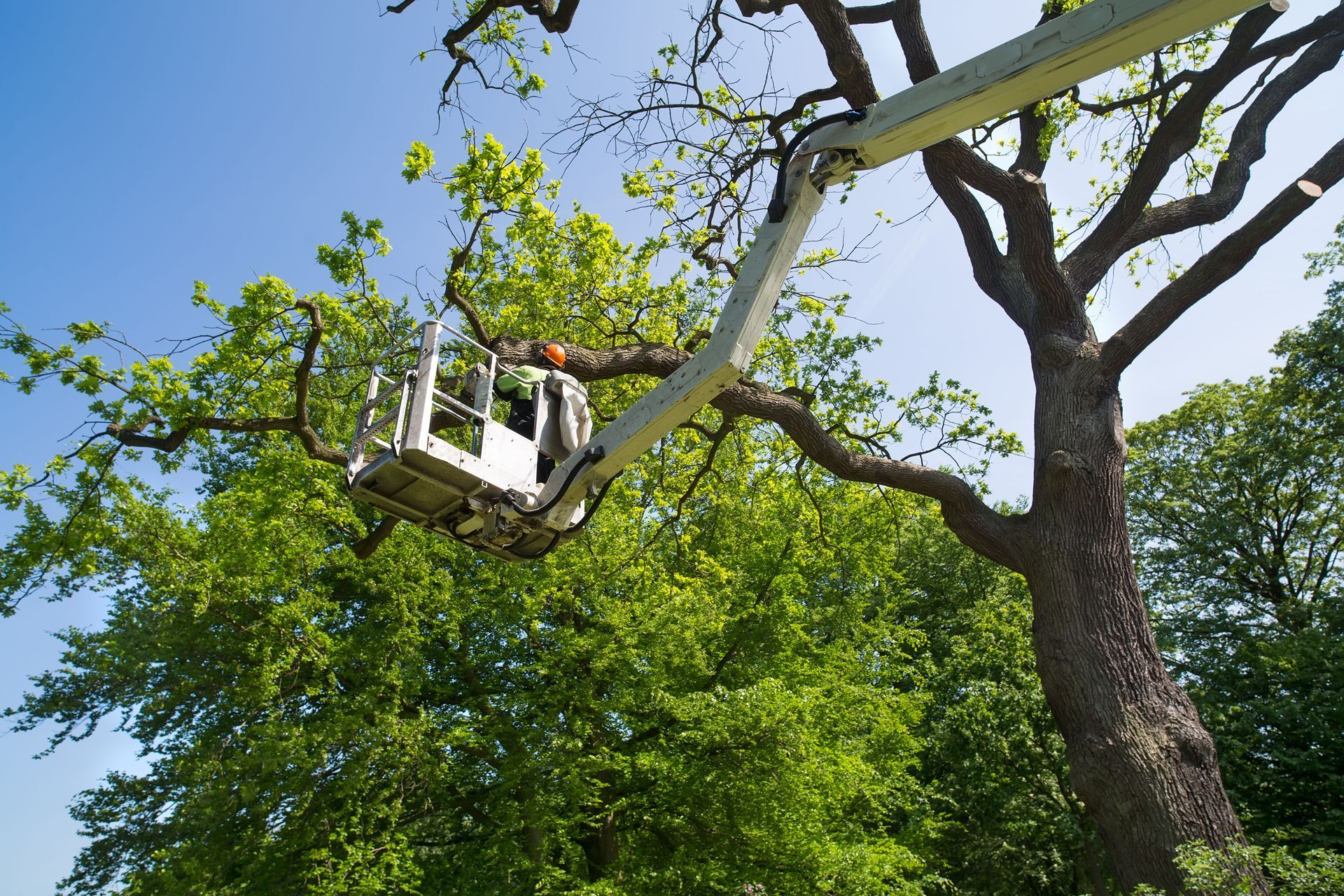
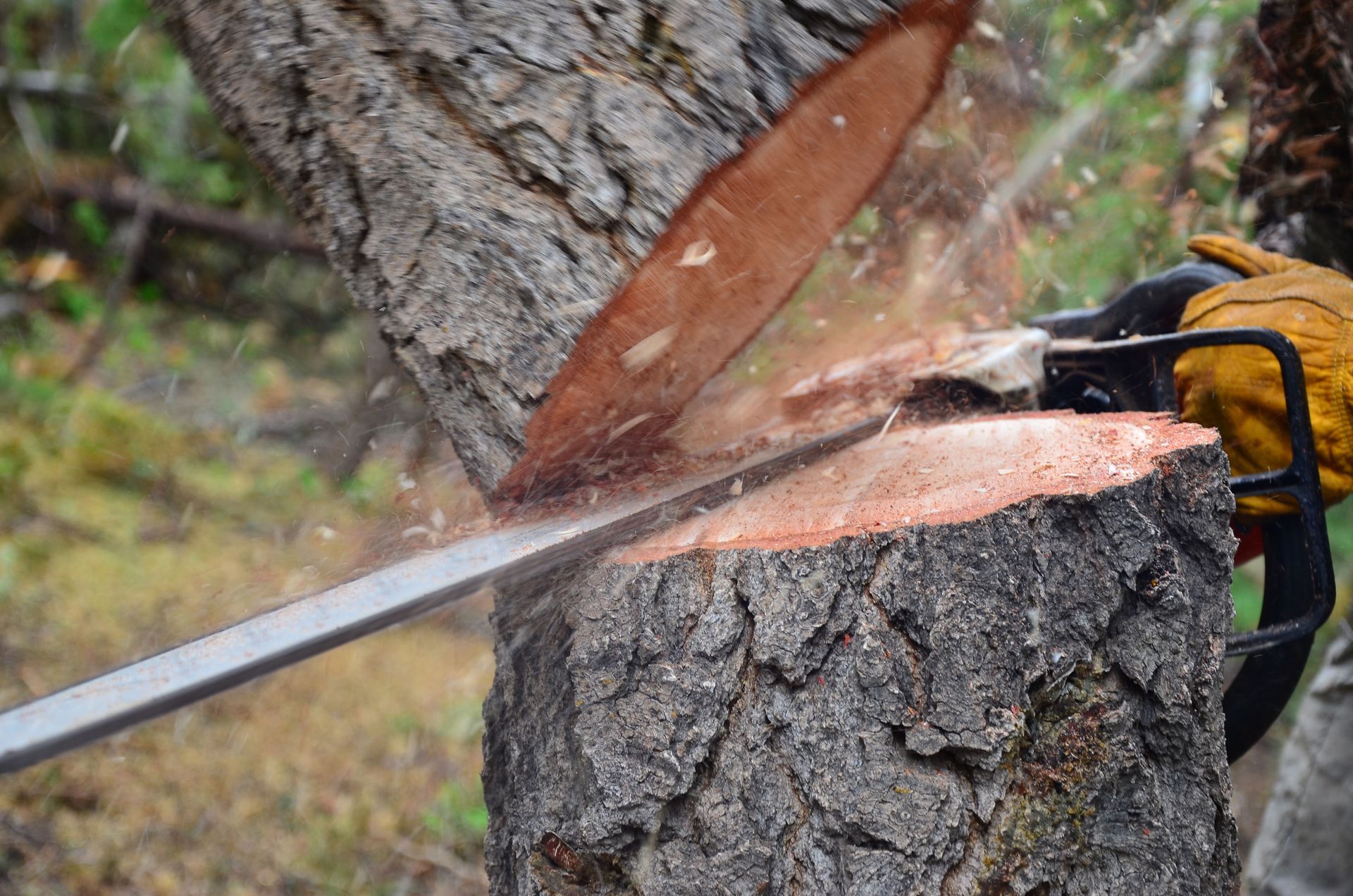
Trimming is essential for maintaining tree health, growth, and aesthetics, and professional tree services can help ensure the job is done correctly. Regular pruning helps trees receive ample sunlight and air circulation, which supports their development. Some tree species, however, have specific trimming needs to maximize their growth potential and overall well-being. Regular maintenance not only encourages ongoing health but also mitigates the risk of pest infestations and disease. Understanding the unique trimming requirements of various tree species is vital for effective landscape management and environmental stewardship, often supported by experienced tree services.
Specialized trimming practices, often performed by reputable tree services, can enhance the natural beauty of trees while prolonging their lifespan. Homeowners, landscapers, and arborists all recognize the importance of tailoring pruning techniques to various species. By focusing on the specific needs of each tree type, caretakers can ensure that both aesthetics and health are prioritized. Some species may demand more frequent attention, benefiting greatly from carefully timed and executed interventions through reliable tree services.
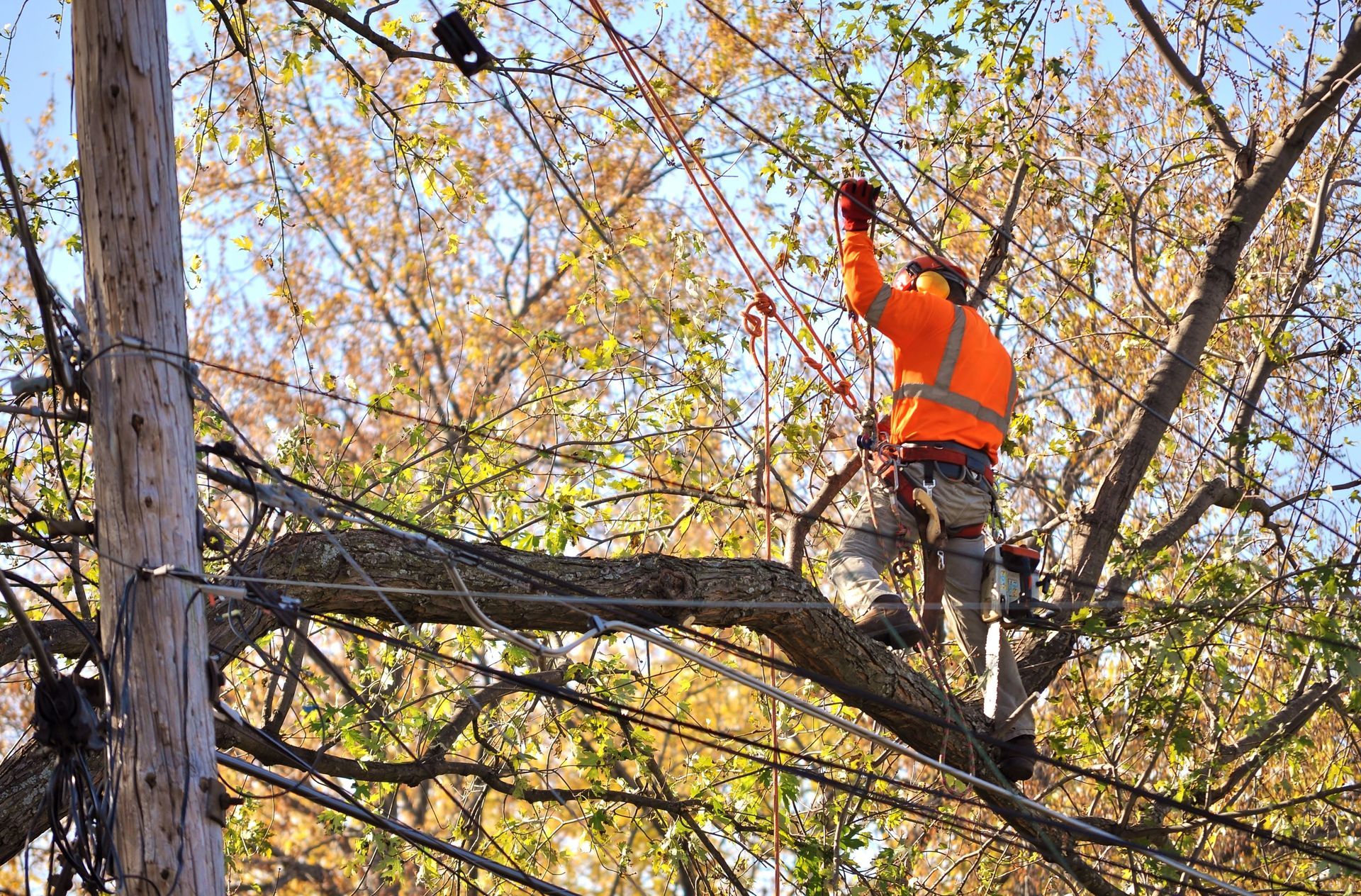
In addition to promoting robust growth, properly trimmed trees present fewer hazards, especially when maintained through professional tree services. Overgrown trees can pose significant risks, such as falling branches and limb breakage, particularly in adverse weather conditions. Moreover, well-maintained trees often have stronger structures and are less likely to become diseased. According to LawnStarter, trimming a small tree can cost as little as $85, while trimming a large tree over 60 feet tall may cost up to $1,267. As we delve into the specifics of various species, the importance of regular pruning becomes evident, underscoring both aesthetic and practical advantages often achieved with the help of tree services.
1. Trimming Oak Trees
Beautiful oak trees, known for their majestic canopies and robust structures, require consistent trimming to maintain their stately appearance. Trimming not only enhances their visual appeal but also prevents the spread of disease and infestation, making tree services a valuable resource for proper care. Regular pruning targets dead or weakened branches, promoting healthier growth across the tree. Without appropriate care, oak trees can develop problematic structure and density issues that impair overall health. Proactive trimming practices ensure that these trees maintain their strength and resist environmental stressors.
Frequent trimming can help mitigate oak wilt, a serious disease affecting many oak tree varieties. Removing dead branches early on reduces the likelihood of pathogen spread. It's crucial to use sterilized tools to avoid inadvertently introducing diseases during the trimming process. Having a clear maintenance plan in place allows tree owners to take timely actions and prevent long-term damage, whether independently or with the assistance of tree services. It's often recommended to consult professional arborists when planning pruning schedules to maximize oak tree health.
Proper pruning techniques also help manage the growth habit of oak trees. Over time, oaks can develop dense crowns that hinder light penetration and air circulation, vital elements for a tree's health. Addressing issues like these through deliberate trimming enhances growth dynamics and overall tree vitality. Additionally, open canopies reduce the chance of limb breakage during storms, removing areas of weakness. Homeowners observe long-lasting benefits from timely pruning, while also potentially avoiding higher costs; trimming costs vary greatly, with larger trees sometimes requiring significant investment, as reported by LawnStarter.
2. Towering Maple Trees
One of the most popular trees, maple trees benefit immensely from careful and frequent trimming due to their propensity for rapid growth. This natural growth rate can lead to overcrowded branches, restricting light and air, which may result in unhealthy limbs. Regular trimming helps mitigate these issues, ensuring vibrant foliage and a strong branch structure. By managing their growth, homeowners can maintain the iconic appearance and rich color that maples are known for. Proper trimming not only stabilizes the structure but also contributes to a more uniform, aesthetically pleasing shape.
Regular maintenance helps maples thrive by addressing potential health issues before they escalate. This proactivity can prevent infestations of diseases like verticillium wilt, which can severely impact maples if unchecked. Proper pruning removes vulnerable sections and promotes resilience against pests. As maples are frequently planted for their ornamental value, ensuring their health maintains the investment in landscape design. Regular interventions support new growth, fostering an environment where maples can add color and texture to gardens effectively.
Careful timing and execution are key to effective maple pruning. Spring and fall are ideal seasons for trimming, allowing trees to recover and thrive. Autumn pruning, in particular, avoids sap bleed and supports healthy regrowth in the next growing season. As these trees grow larger, they may require professional tree services, which can vary greatly in cost depending on size and complexity. Investing in regular maintenance helps maples sustain their beauty and resilience, promoting the health benefits they offer within a landscape.
3. Pruning Fruit Trees (Apple, Pear, etc.)
Trimming plays a vital role in the productivity and health of fruit trees, such as apple and pear trees. Regular pruning encourages the development of fruit-bearing wood, directly affecting yield and quality. By removing excess growth, trees can direct their energy towards fruit production rather than sustaining unproductive shoots. This targeted growth management ensures larger, more vibrant fruits come harvest time. For fruit trees, achieving this balance is critical to maximizing both yield and health.
Proper timing of trimming is crucial for fruit trees to reap maximum benefits. Most fruit trees benefit from pruning during late winter or early spring, just before new growth begins. This timing allows for better visualization of the tree's structure, facilitating more strategic cuts. Knowing the distinct pruning calendar for each species helps in aligning with natural growth cycles and optimizing fruit-bearing potential. Strategic trimming also assists in managing diseases, crucial in cultivating healthy, productive orchards.
Trimming also contributes positively to pest and disease management, a key concern for fruit tree care. Effective pruning helps prevent the development of diseases like fire blight in apples or pear scab. By maintaining open canopies and removing infected branches, tree owners can minimize the spread of pathogens. Investing in quality tools for precision pruning is essential to maintain clean cuts and reduce the risk of disease transmission. While trimming costs vary greatly depending on tree size, consistent pruning proves cost-effective by supporting long-term health and productivity.
4. Managing Pine Trees
With their distinct needle foliage and unique growth habits, pine trees benefit from regular trimming to maintain health and aesthetics. While pine trees generally need less frequent pruning than broadleaf varieties, strategic trimming aids in managing growth and preventing disease. Regular pruning of lower branches can help open up space for air flow and sun exposure, enhancing tree vitality. Fostering such environments mitigates chances of disease and infestations, encouraging stronger, healthier pines. Investing in periodic care ensures these iconic evergreens retain their longevity and aesthetic appeal.
Effective management of pine trees involves understanding the specific needs of different pine species. Each species may exhibit unique growth and trimming requirements, demanding tailored care approaches. For instance, some pines may require crown thinning to improve light and air penetration, promoting healthier growth. Correctly timed trimming negatively impacts cone and needle development, crucial aspects of a pine's lifecycle. Knowing when to prune also minimizes stress and maximizes resilience, ensuring healthy pine growth across diverse environments.
In dense forest areas, managing pine overgrowth is crucial for supporting healthy ecosystems. Overgrown pines can lead to competition for resources, where more robust trees overshadow others, inhibiting growth. Regular trimming balances these dynamics, promoting a harmonious forest structure. Through strategic trimming, ecosystem services such as shade, habitat provision, and carbon storage are effectively managed. Such proactive practices help reduce trimming expenses on larger trees, aligning with estimates from LawnStarter, while supporting long-term ecological health.
Each tree species discussed comes with its distinct set of trimming needs, yet consistently highlights the overarching importance of regular maintenance. From the majestic oak to the elegant magnolia, informed care practices are vital to supporting ongoing health and promoting disease resistance. Effective tree trimming also intertwines with broader goals of promoting aesthetics, ecological balance, and environmental stewardship. Emphasizing species-specific pruning techniques can yield vibrant, robust trees that offer numerous benefits to a variety of landscapes. Encouraging responsible care among tree owners, often in partnership with professional tree services, contributes not only to individual tree vitality but also to broader environmental well-being. If you need to hire a tree service in the Aberdeen, WA area, contact J&L Tree Service Inc today.